Japanese nano bubble water technology, now entering the Philippines
Water that cleans itself. No power. No chemicals.
Stainless steel generators driven by line pressure alone. Nothing to wire
in, nothing to dose, nothing to replace. Sized to your building and installed in a day.
Once for the water. Again for what the water leaves behind: scale on heat
exchangers, biofilm in pipework, algae in tanks, grease in traps. That second bill
recurs forever, and it is almost always paid in labour and chemicals.
Scale
Silica and calcium foul heat exchangers and restrict bore, cutting cooling capacity and raising energy draw.
Biofilm
A bacterial reservoir that chlorine cannot reach, because the biocide never penetrates the film.
Algae
Clogs fill and nozzles, drives corrosion, and turns amenity water visibly unusable.
Grease
Hardens onto trap walls, escapes downstream, and consumes hours of labour every week.
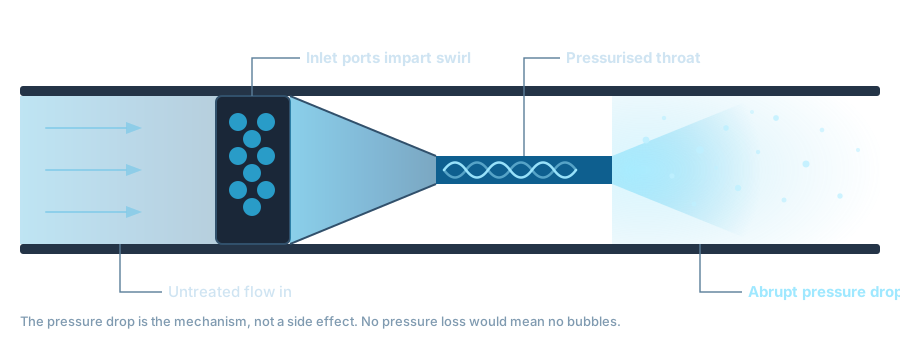
A pressure drop, precisely engineered.
Mains water carries about 2% dissolved air. Force it through a swirl, into
a narrow throat, then release it abruptly, and that dissolved air comes out of solution
as bubbles small enough to stay suspended for days.
The generator at work. Illustrative recreation built from a photograph of the
actual unit; not footage of an installation.
Why sizing is the whole job
Because the pressure drop is what generates the bubbles, a unit that cost no pressure
would produce nothing. This is why one device at a building's main inlet fails, and why
each unit is sized to a duty rather than to a building. Correctly sized it gives up
around 20% of flow, which is planned for at design stage. Incorrectly sized it either
starves the effect or turns turbulent and destroys it. Sizing is the first thing we
assess on any site, before we quote anything.
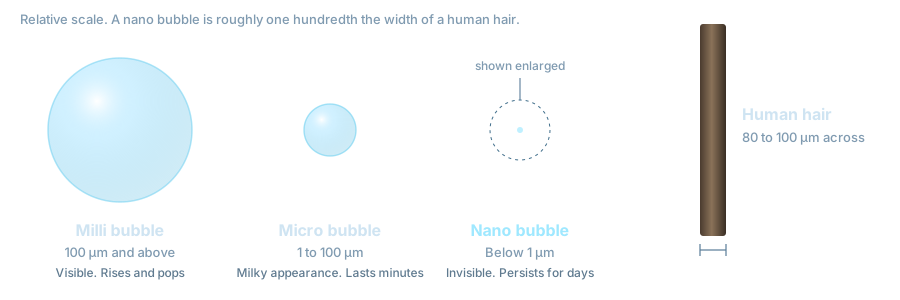
Small enough to stop behaving like a bubble.
Below one micrometre, buoyancy stops dominating. The bubbles stay in
suspension, carry a negative surface charge, and lift soil off surfaces instead of
rising to the top and popping.
What to expect
Nano bubbles are far smaller than the shortest visible wavelength, so treated water
looks completely ordinary. The results are counted, not seen: hours of cleaning labour,
kilowatt hours, failed parts. Every application we sell leads with a number you can
measure yourself.
What it actually did, with the conditions attached.
Every figure below survived an audit of the manufacturer's full technical
library, 129 pages and 222 figures. Claims that did not survive were removed rather
than softened.
6h → 2h
Pool cleaning labour
Sub-pool, season on season, same filtration plant
22.5%
Coolant odour index
5,520 to 4,282, instrument measured
12%
Cooling tower peak power
349 to 307 kWh daily, at 1.2× throughput
25 → 0
Out-of-tolerance holes
Pin gauge failures per 368 drilled
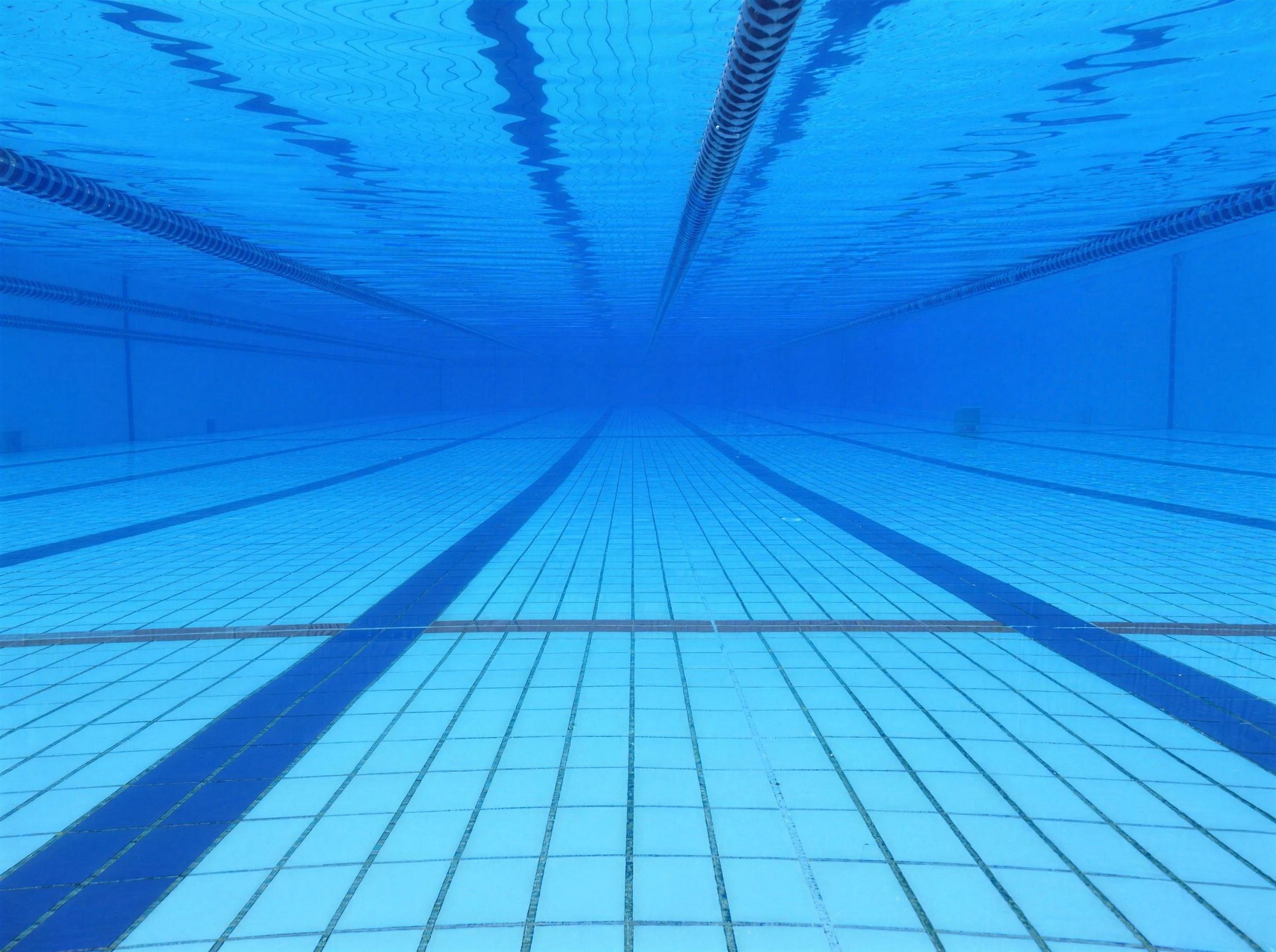
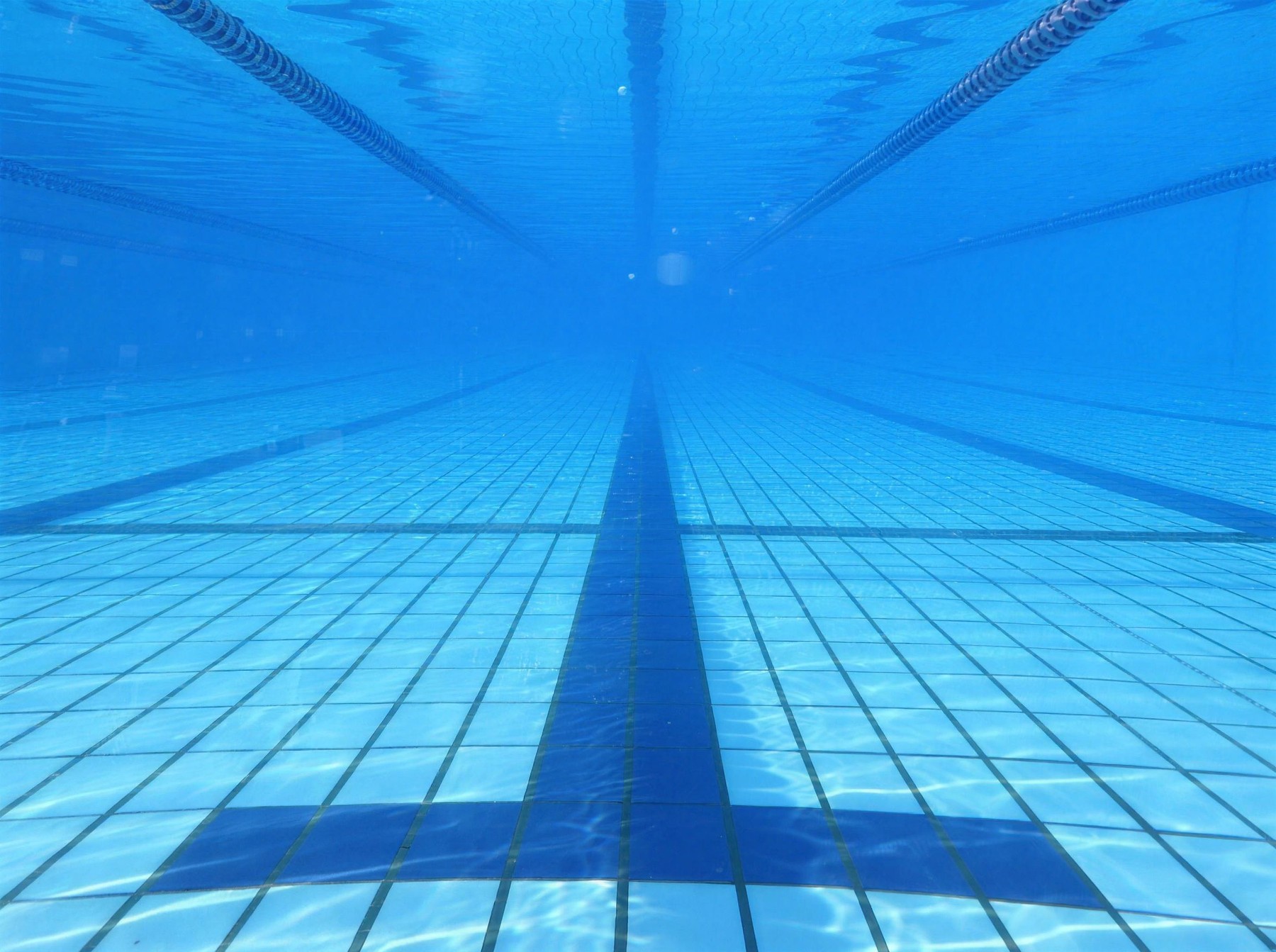
Swimming pool clarity
Underwater, along the length of a 50 metre pool, from the same position.
↔
BeforeAfter
Conditions. Same facility, one year apart, filtration plant unchanged per the
operator. Visibility improved from roughly 25 m to the full 50 m. Photographs unmodified
apart from upscaling, resampling and a common crop. Full test conditions in the dossier.
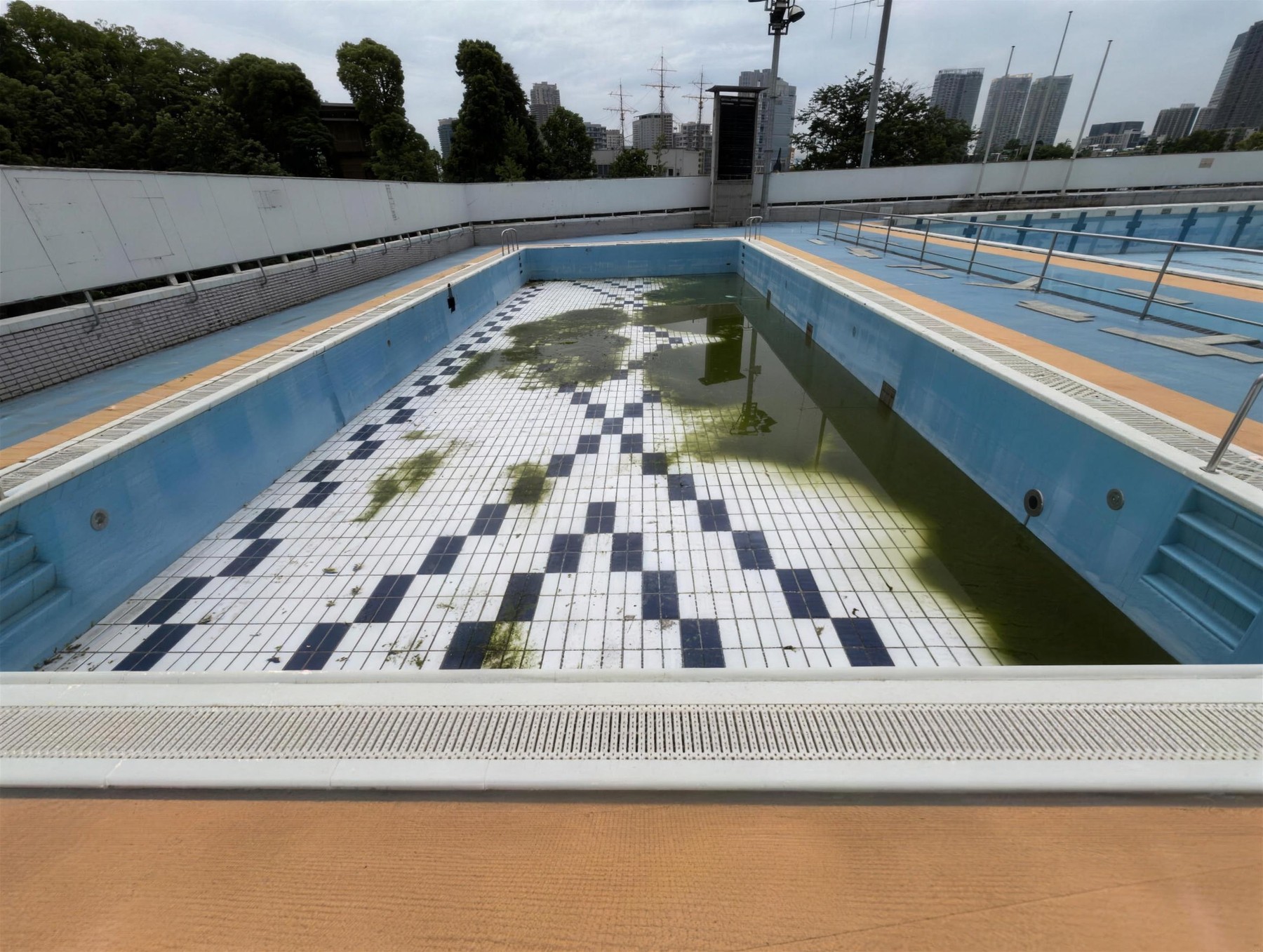
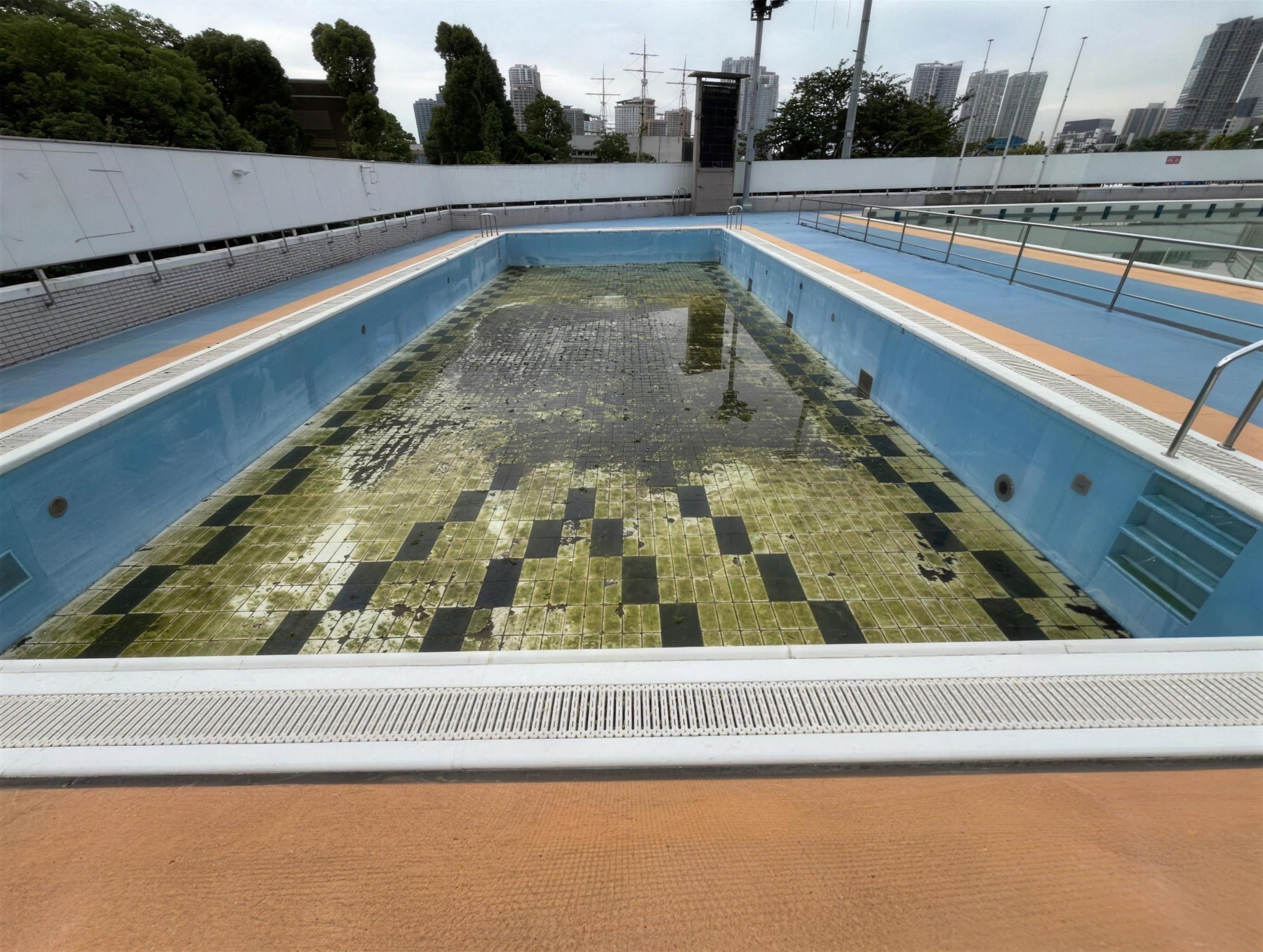
Sub-pool floor, season on season
The comparison behind the 6 hour to 2 hour cleaning figure.
↔
BeforeAfter
Conditions. Same facility, same camera position, one year apart, filtration
unchanged. Cleaning labour fell from 6 hours to 2. Full test conditions in the dossier.
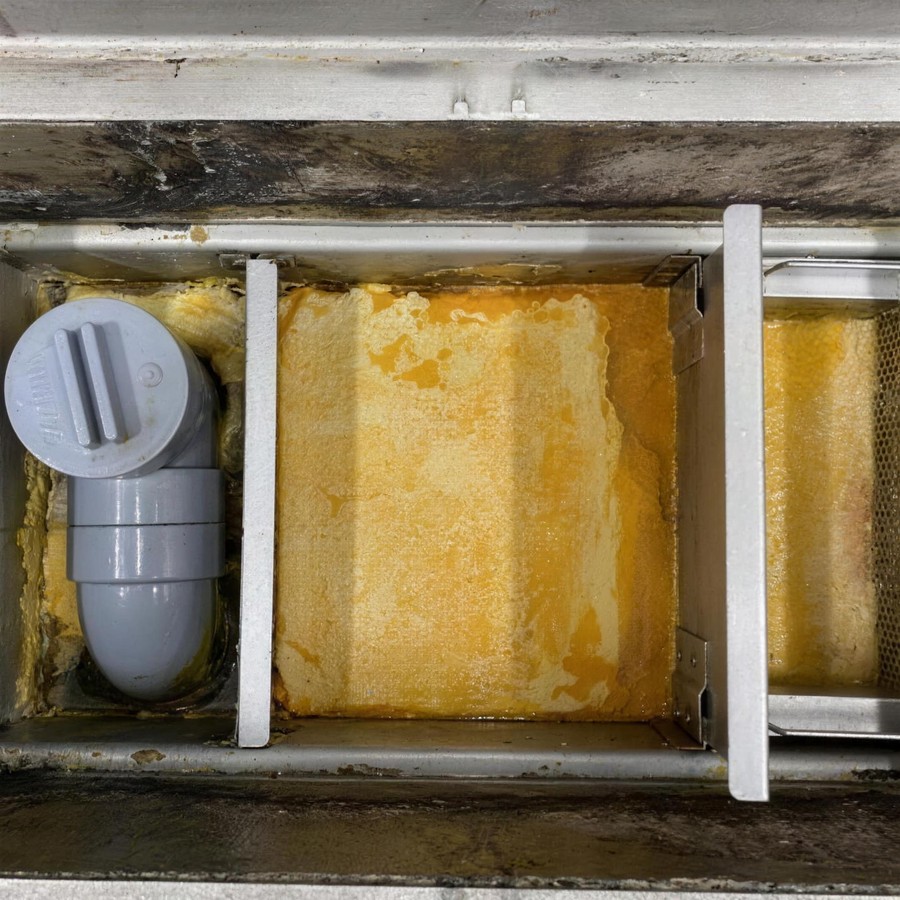
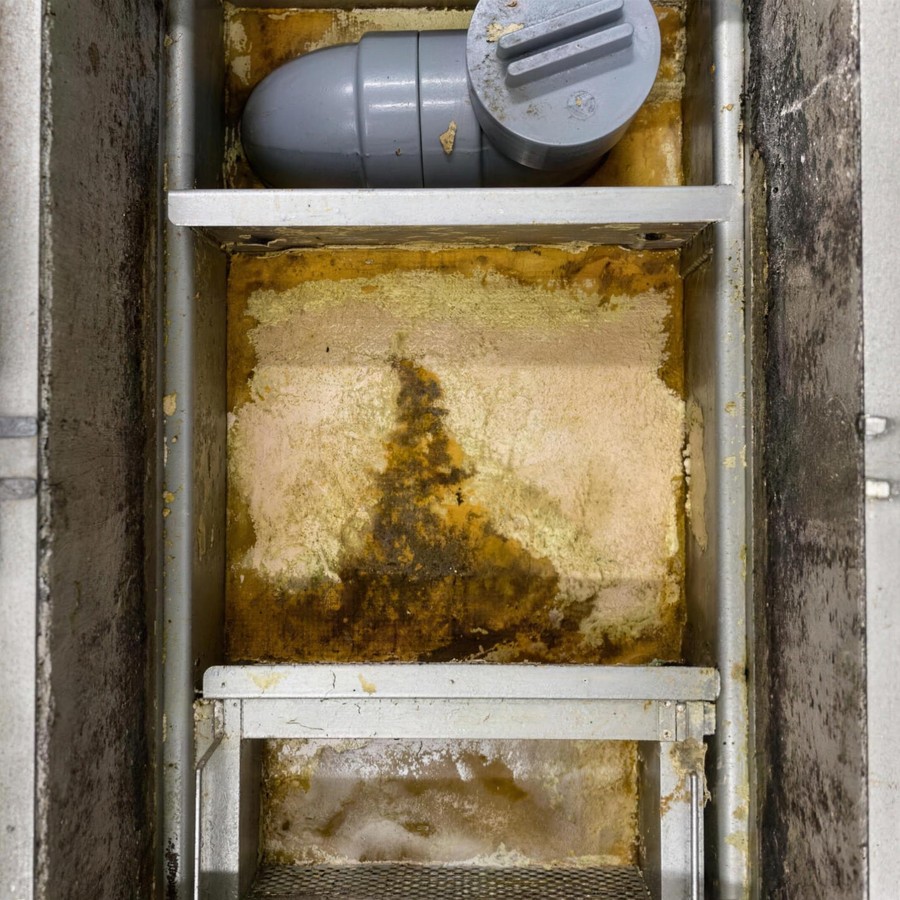
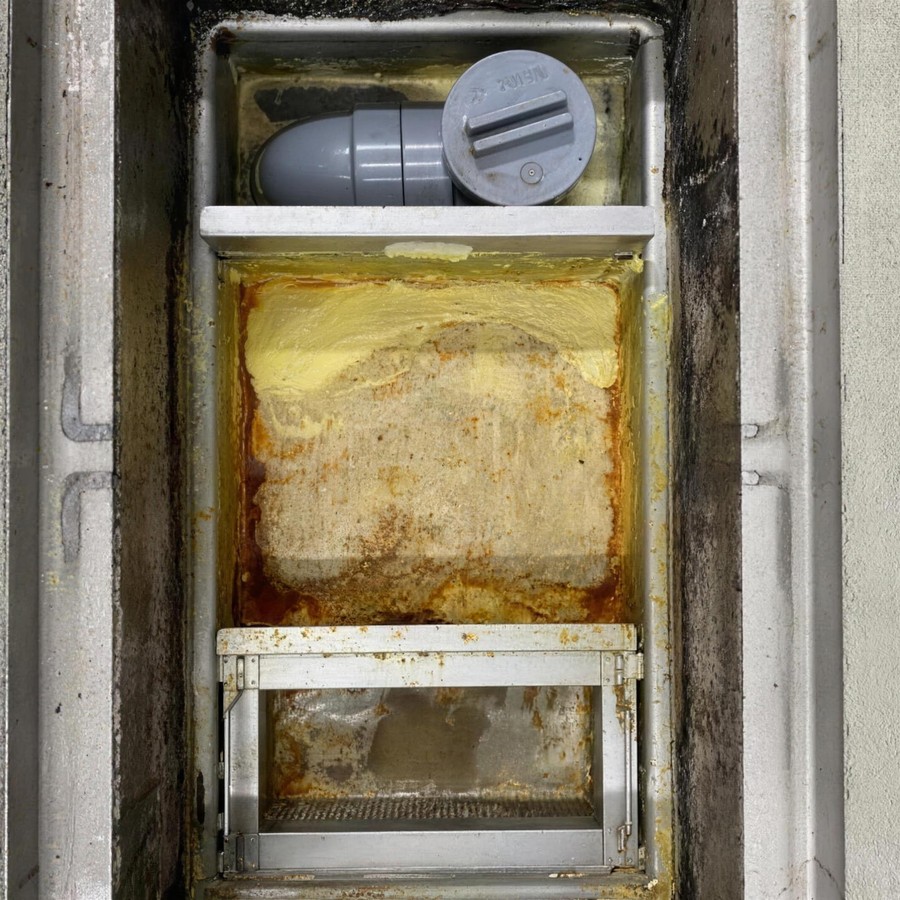
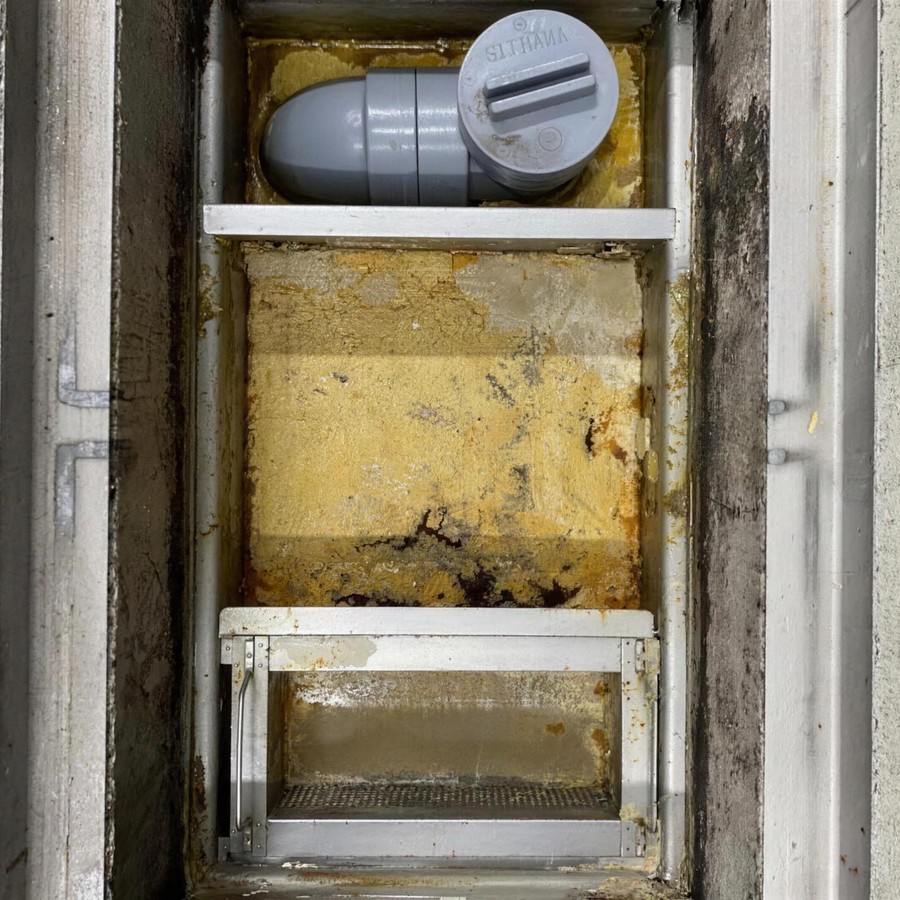
Grease trap, including removal of the device
The most rigorous sequence in the manufacturer's library, and
the one most vendors would leave out. Cleaning frequency was held at once per week
throughout.
BaselineFat spread throughout and adhering to the sides. Scraping required.After one weekMaterial paler and looser, separating from the water.After two weeksConcentrated at the surface. Sides noticeably clearer.Device removedOne month later, soil spread throughout again.
Why the fourth frame matters. An effect that reverses when the device is removed
is much harder to explain away than any before and after. One trap, one site; full test
conditions in the dossier.
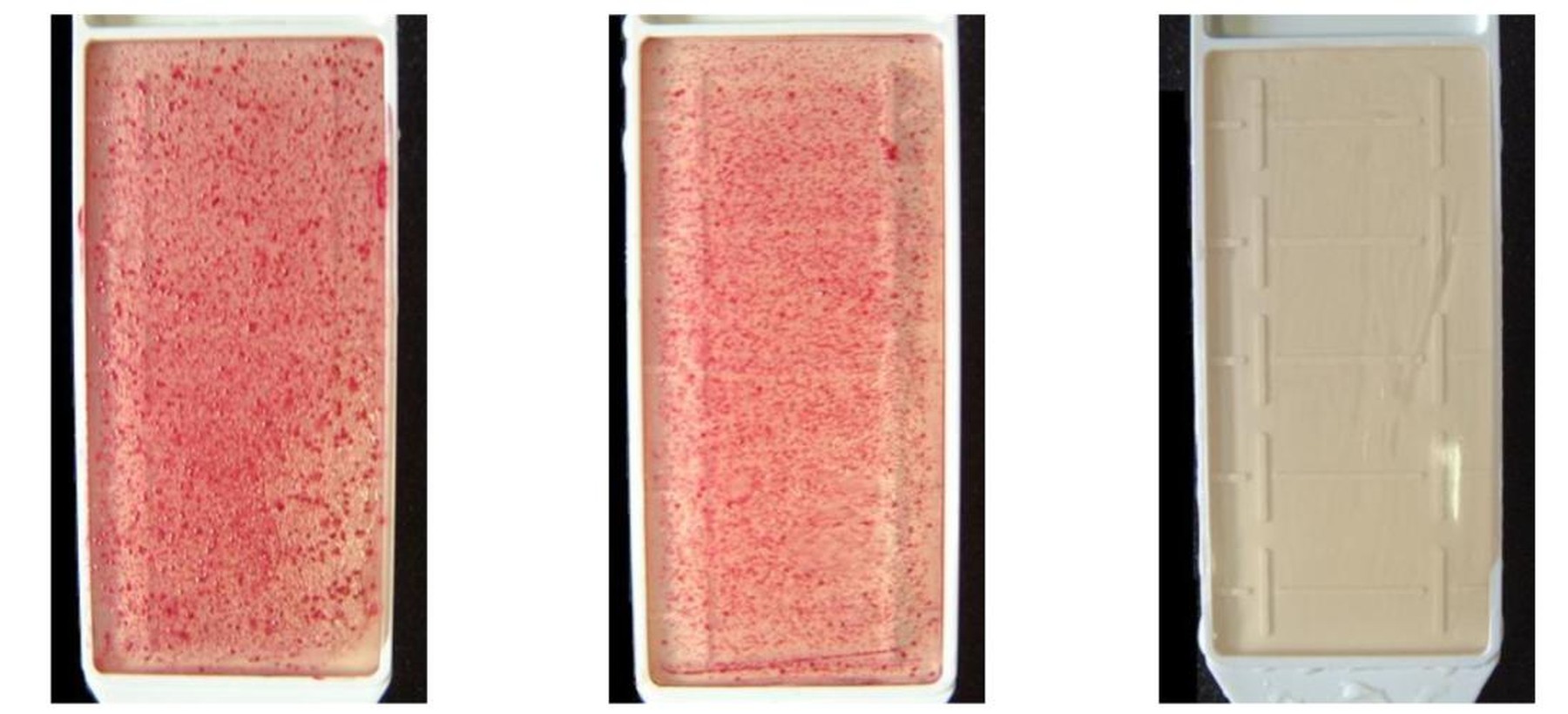
Bacterial control, independently run
Three culture plates from grinding fluid. Left, untreated.
Centre, circulated by pump only. Right, treated.
The middle plate is what makes this result worth having. Circulating a fluid at all
introduces agitation and aeration, either of which could suppress anaerobes on their
own. Circulation alone did not reduce the count. Treatment did.
Conducted by the Ninomiya
Laboratory, Nippon Institute of Technology. Colony counts and publication requested.
This is the only properly controlled comparison in the source library.
What would numbers like these do to your
operating costs?
Before taking this product line we read the manufacturer's complete
technical library, 129 pages, and audited every exhibit in it. Figures that did not
survive the audit never made it onto this page. What remains here is what we are
prepared to stand behind in front of your engineer.
What we tell you before you sign
Treated water looks identical on day one. Effects build over weeks, not days.
Flow gives up about 20% through the generator, which is planned for at sizing.
You hear this from us now, not from your maintenance team after installation.
The technical dossier
Study summaries, full test conditions for every figure
on this page, specifications and installation drawings, available to serious buyers.
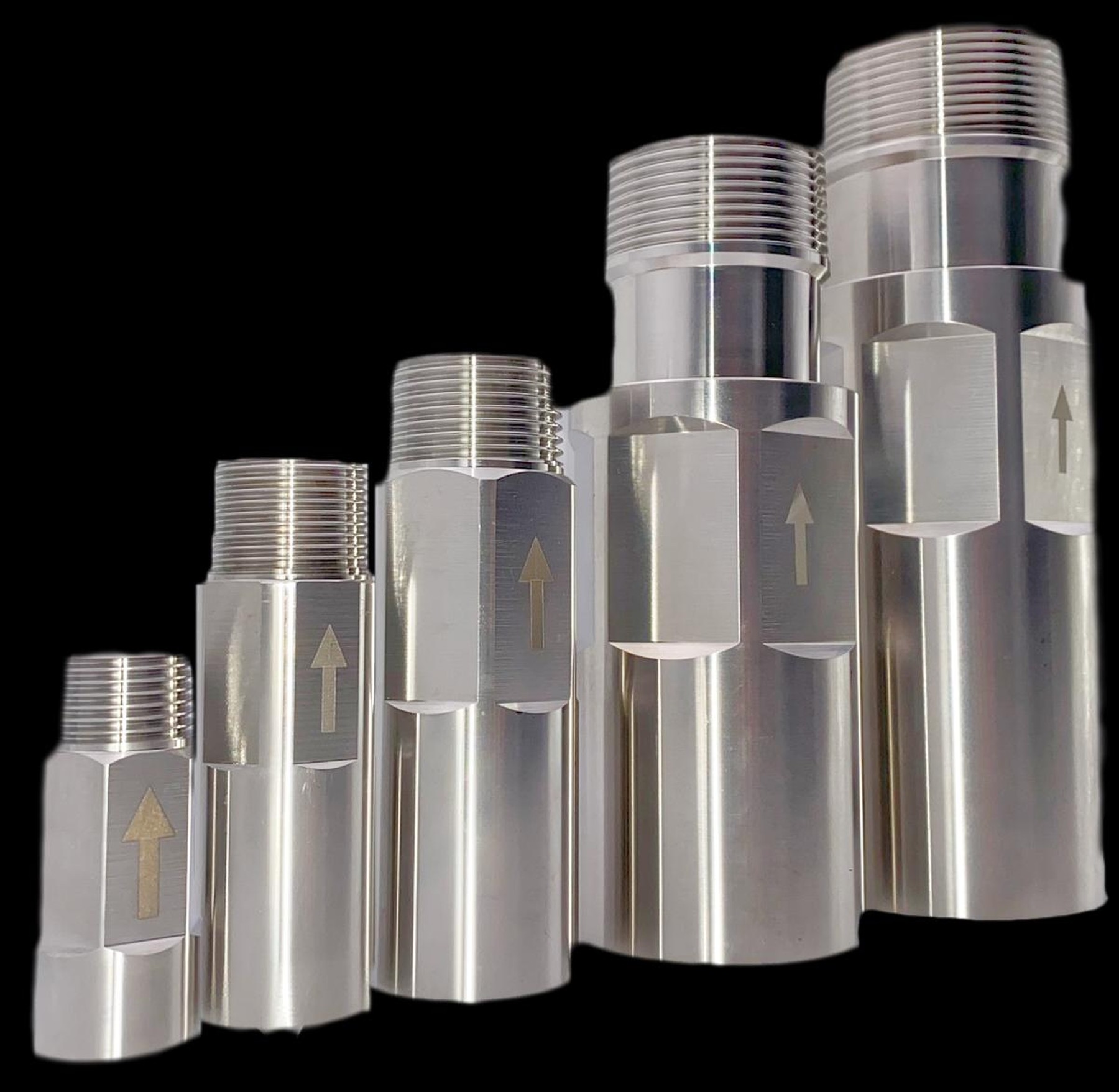
Stainless steel SUS304 throughout. No power connection, no consumables, no
filter to change. Sized to duty from 10 to 330 litres per minute. Price list and lead
times on request.
Model
Connection
Flow, L/min
Size, mm
Weight
AQVION Pro 15A
R1/2 to Rc1/2
10 to 20
25 × 59
129 g
AQVION Pro 20A
R3/4 to Rc3/4
15 to 55
31 × 87
320 g
AQVION Pro 25A
R1 to Rc1
25 to 85
40 × 112
660 g
AQVION Pro 32A
R1¼ to Rc1¼
45 to 150
50 × 155
1.5 kg
AQVION Pro 40A
R1½ to Rc1½
60 to 200
60 × 161
2 kg
AQVION Pro 50A
R2 to Rc2
100 to 330
66 × 196
3 kg
No power
Driven by line pressure. Minimum 0.1 MPa at the inlet. A circulation pump is required in tank installations.
No consumables
Nothing to replace, nothing to dose, nothing to service. A brass unit of the same design was returned after ten years with no internal degradation.
Retrofit in a day
Fits an existing circulation line, or drops into a tank with a submersible pump. No construction work, so no building permit is triggered.
Installed right
Installation is carried out with a Registered and Licensed Master Plumber, with permits where the works require them. Sized to duty before we quote.
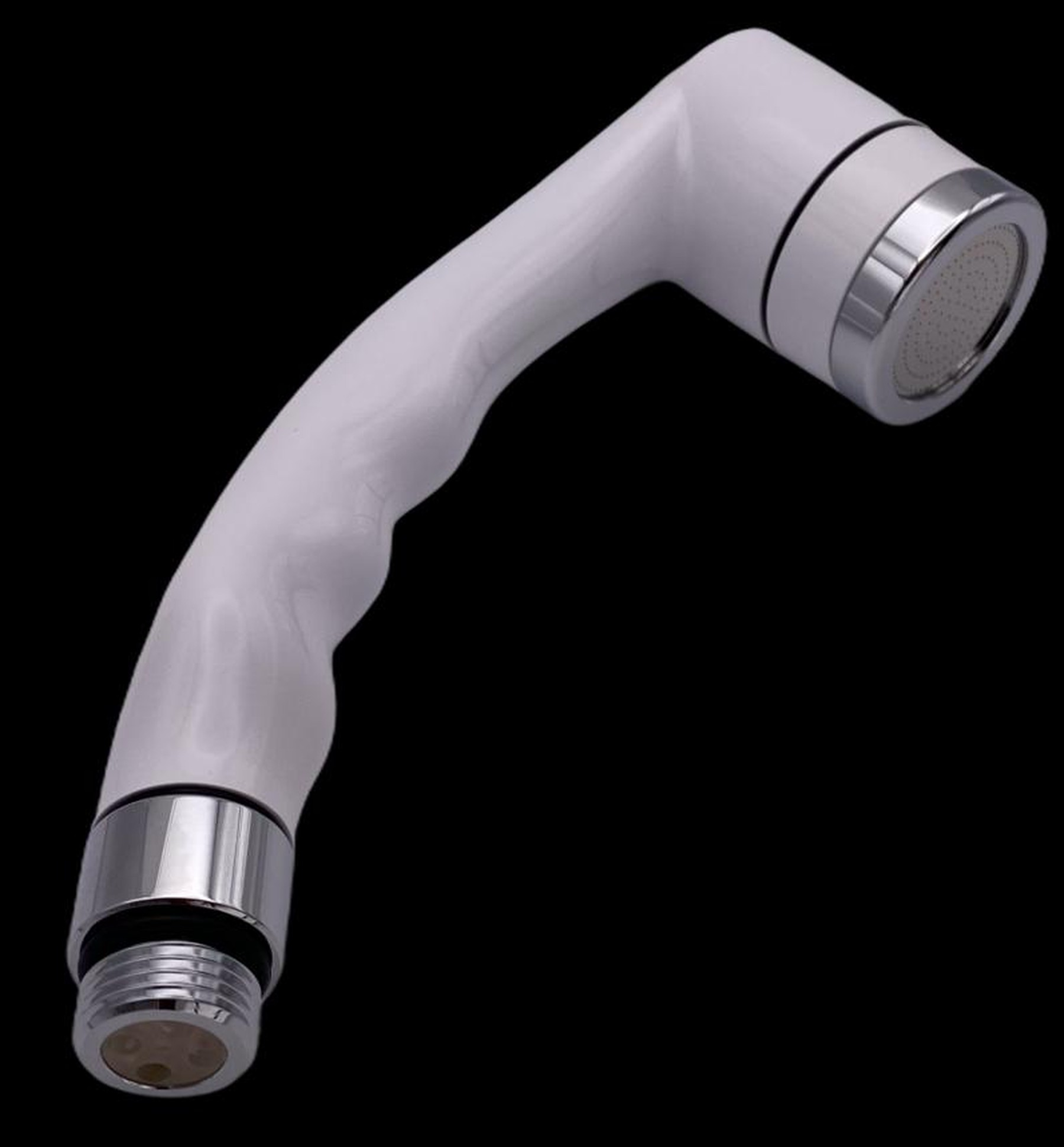
AQVION Shower
The same generation principle at the shower head,
for hotel rooms, residences and fit-outs. Twelve years on the Japanese market.
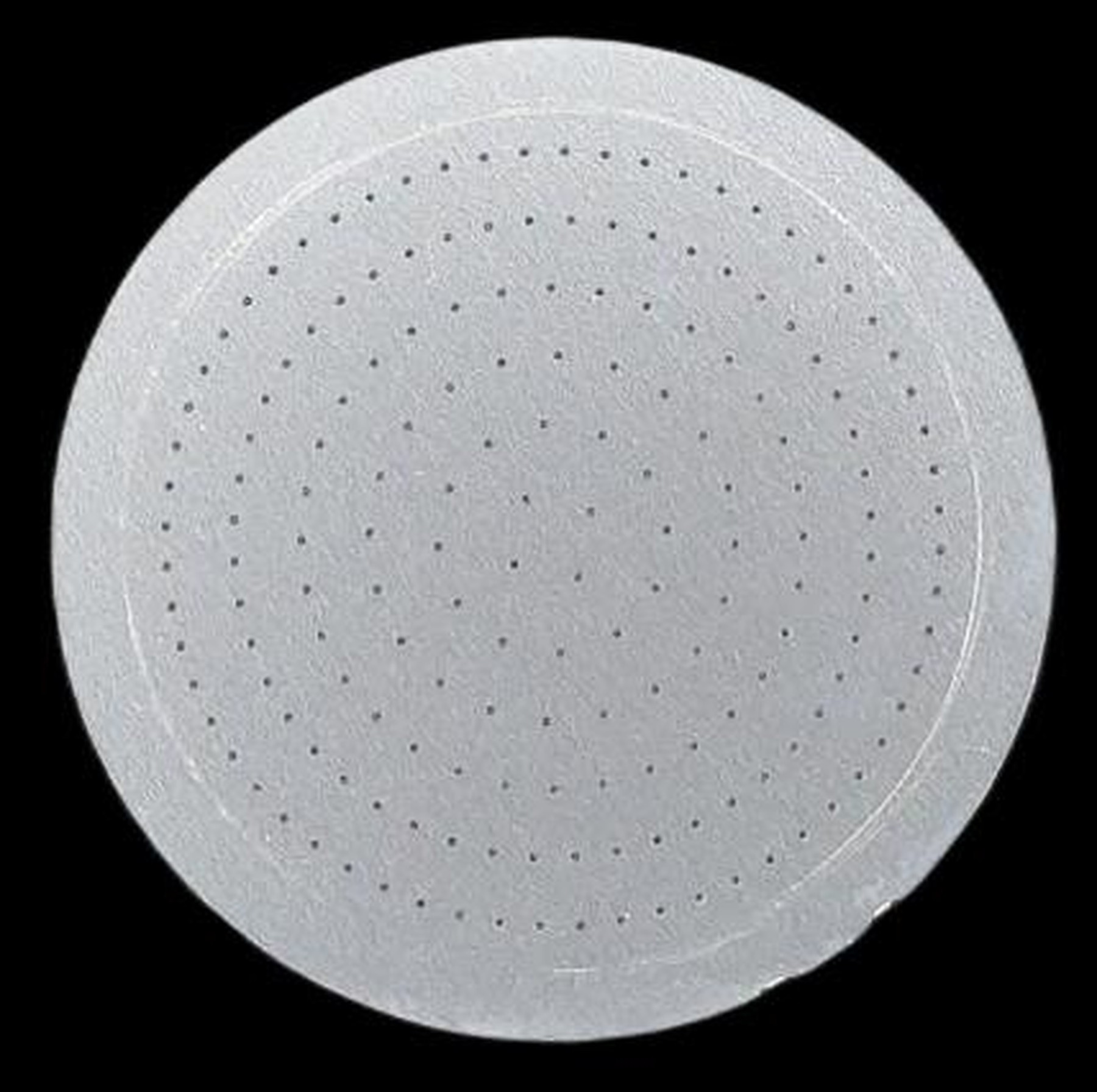
The spray plate is 0.4 mm
stainless steel where most competitors use resin, with each hole cut at 0.8 mm on
the back face tapering to 0.4 mm at the front. That taper is the pressure drop, so the
bubbles are generated at the head itself.
Standard G1/2 connection with conversion adapters for
other fittings. We confirm fixture compatibility per order before anything ships.
The plate face. Around
200 tapered holes in a 0.4 mm stainless sheet. This is the entire mechanism: no
cartridge, no filter, no consumable inside the handle.
Sold to properties, not consumers: our
residential range is offered through developers, hotels and fit-out contractors.
Price list on request.
Where it works.
The applications below are where the recurring cost is measurable and the
payback is countable. These are the segments we are entering; imagery is illustrative.
Hotels and resorts
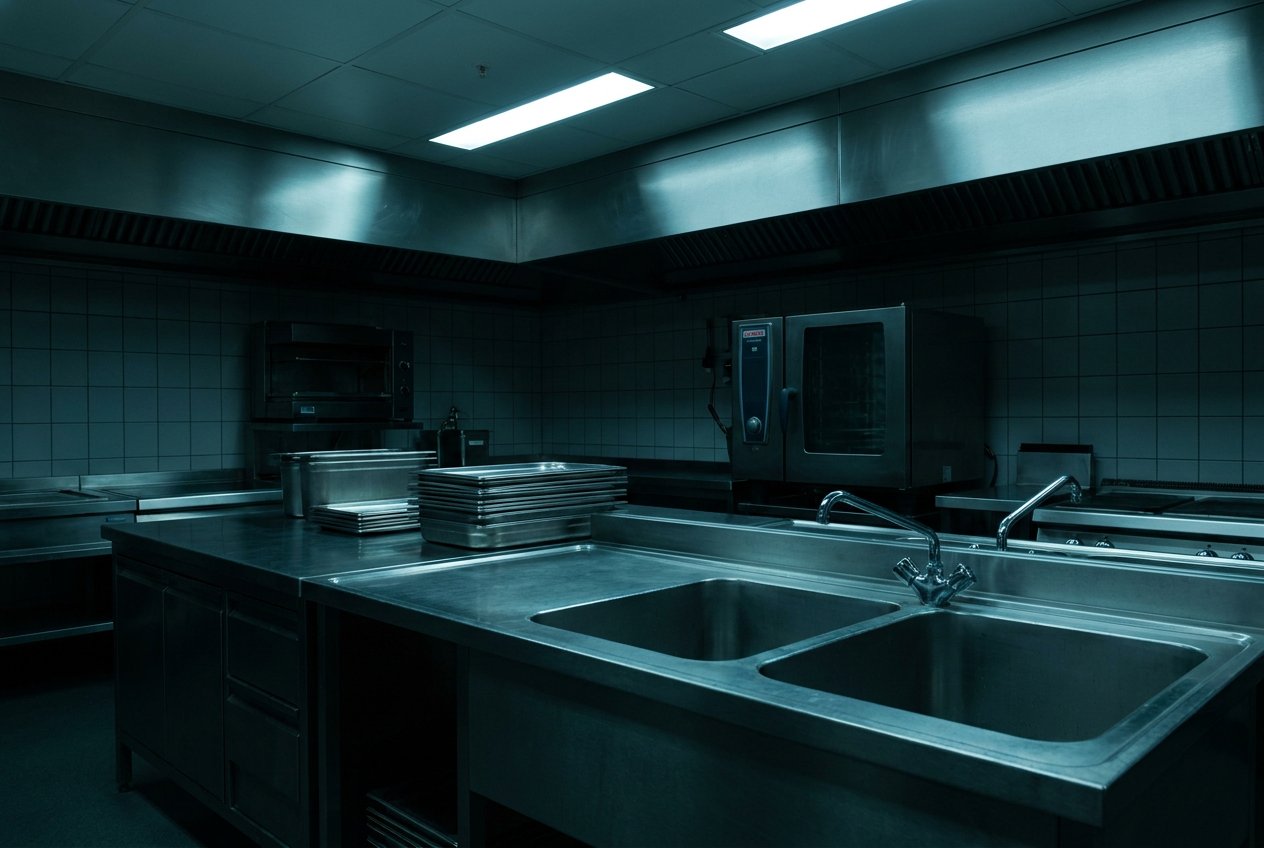
Pool plant, cooling towers, laundry and kitchen in one building, under one engineer.
Clinics
Under evaluation. Medical settings carry a materially different regulatory pathway and no clinical evidence exists yet.
Restaurants
Grease trap labour is weekly, hated, and already outsourced at a known price.
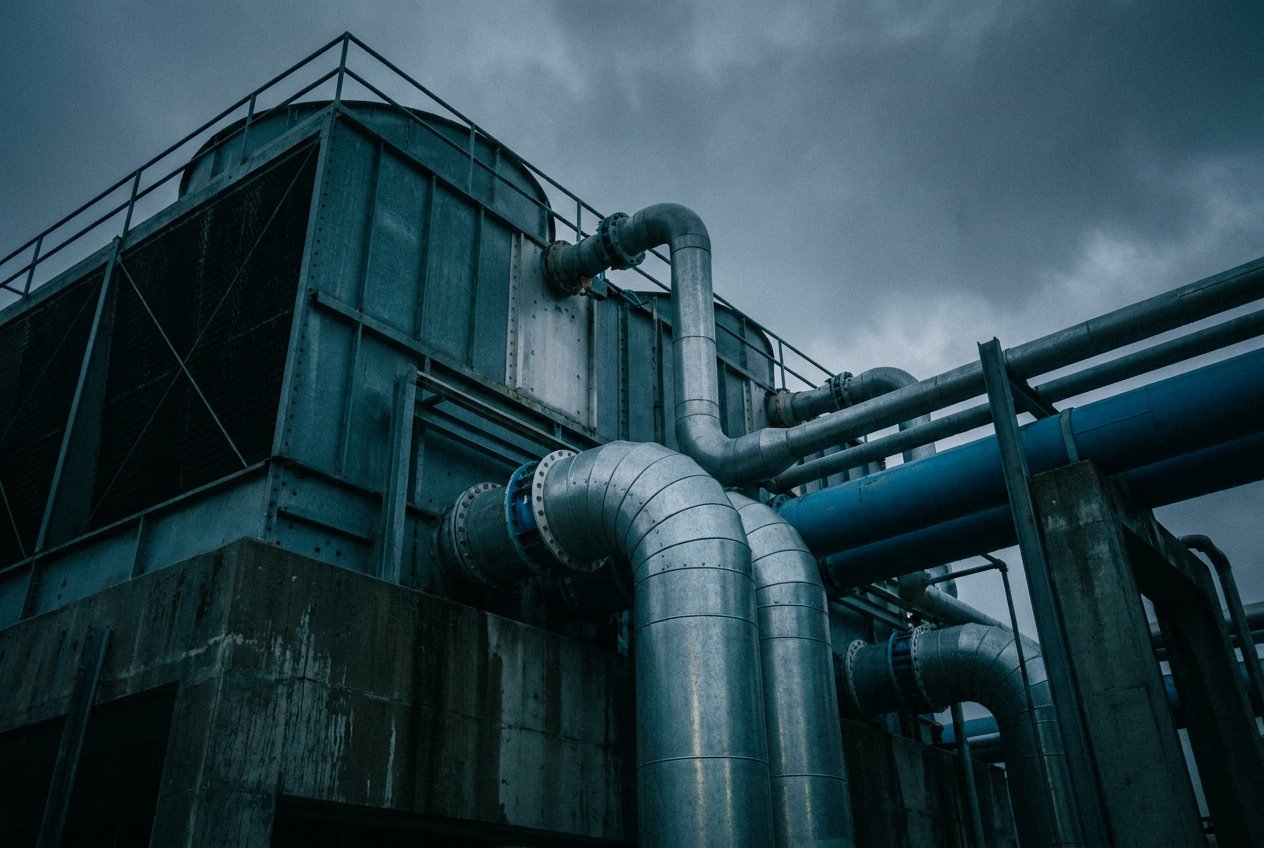
Industrial and food processing
Cooling towers and process water, where energy and downtime are already metered.
Why buy this from us.
Factory level, in Japanese
We operate from Tokyo and work
from the maker's technical library in the original Japanese: pressure specifications,
failure conditions, patent filings. No trading house between you and the answer.
Evidence before enthusiasm
We graded every exhibit in the
manufacturer's library before taking the line, removed what did not survive, and put
the conditions next to every figure on this page. Your engineer gets the same answers
we demanded ourselves.
1 · Assess
We visit, measure the duty and
size the unit to it. No quote before sizing.
2 · Install
A day's work with a Registered
and Licensed Master Plumber, permits where the works require them.
3 · Count
You measure the result on your own
numbers: cleaning hours, energy, service intervals.
Request pricing and a site assessment.
Tell us what the water is costing you: cleaning
hours, cooling energy, trap service, downtime. We will tell you whether this equipment
changes that number, what size the duty needs, and what it costs. The price list is
provided on request.